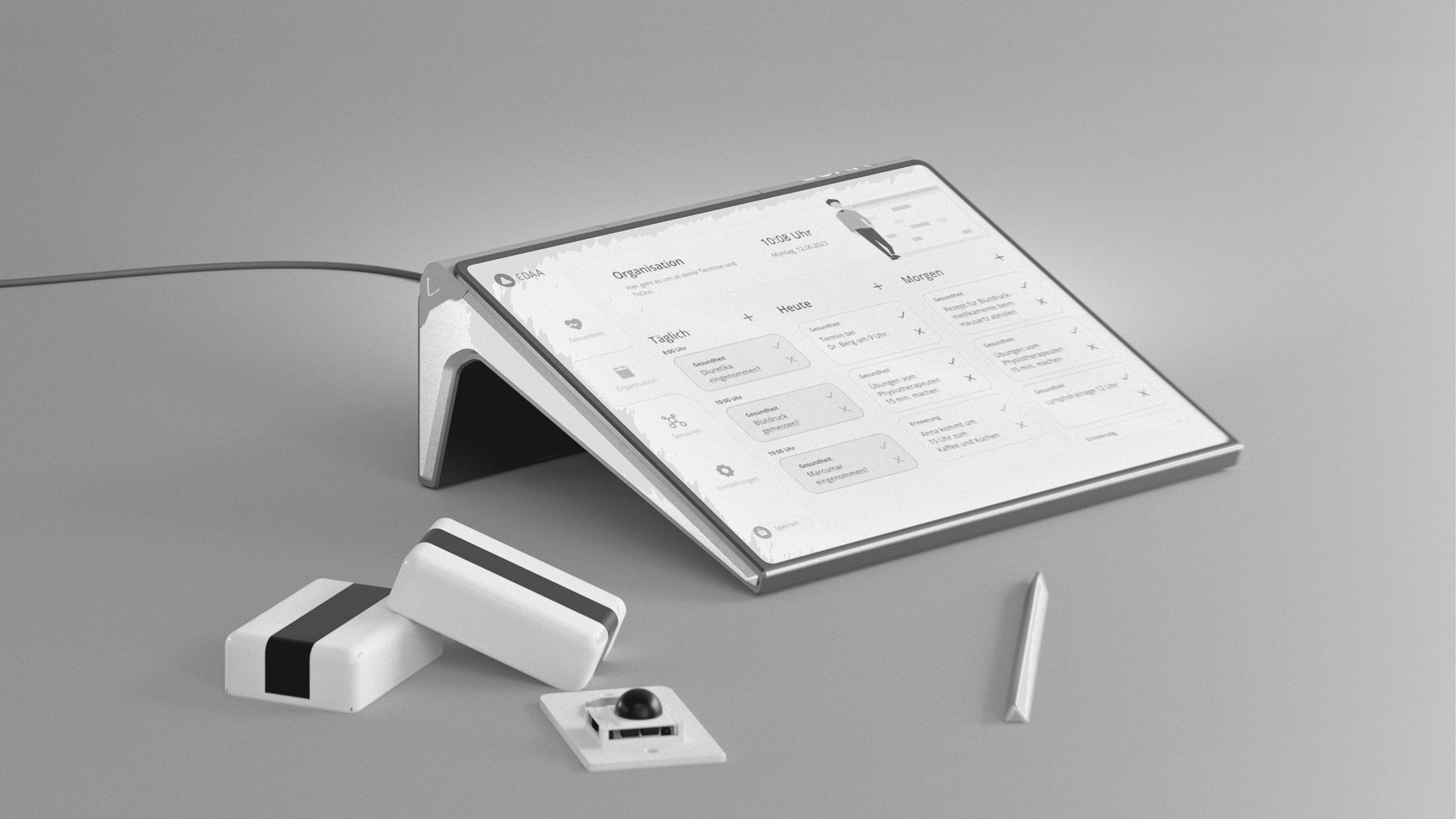
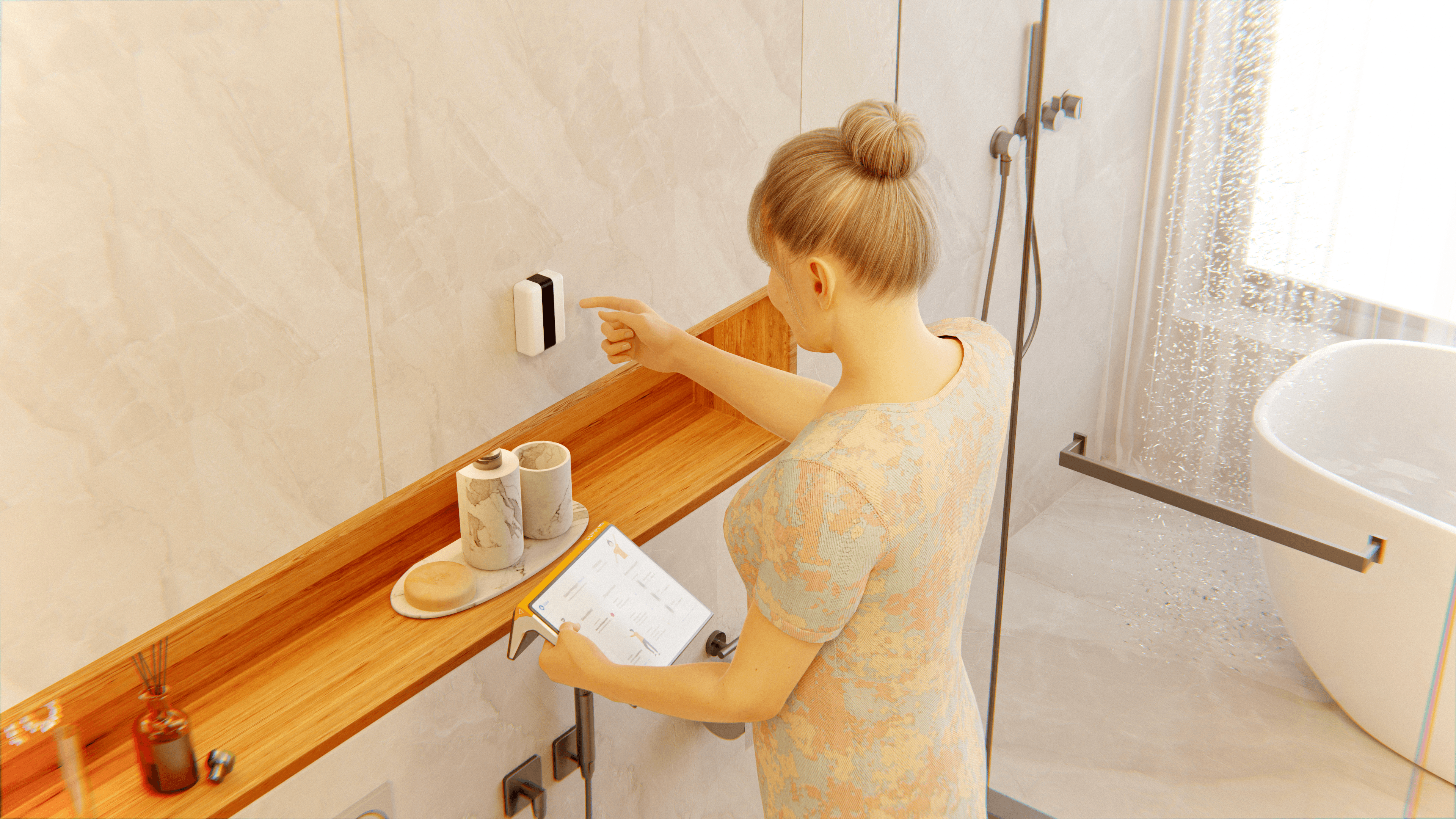
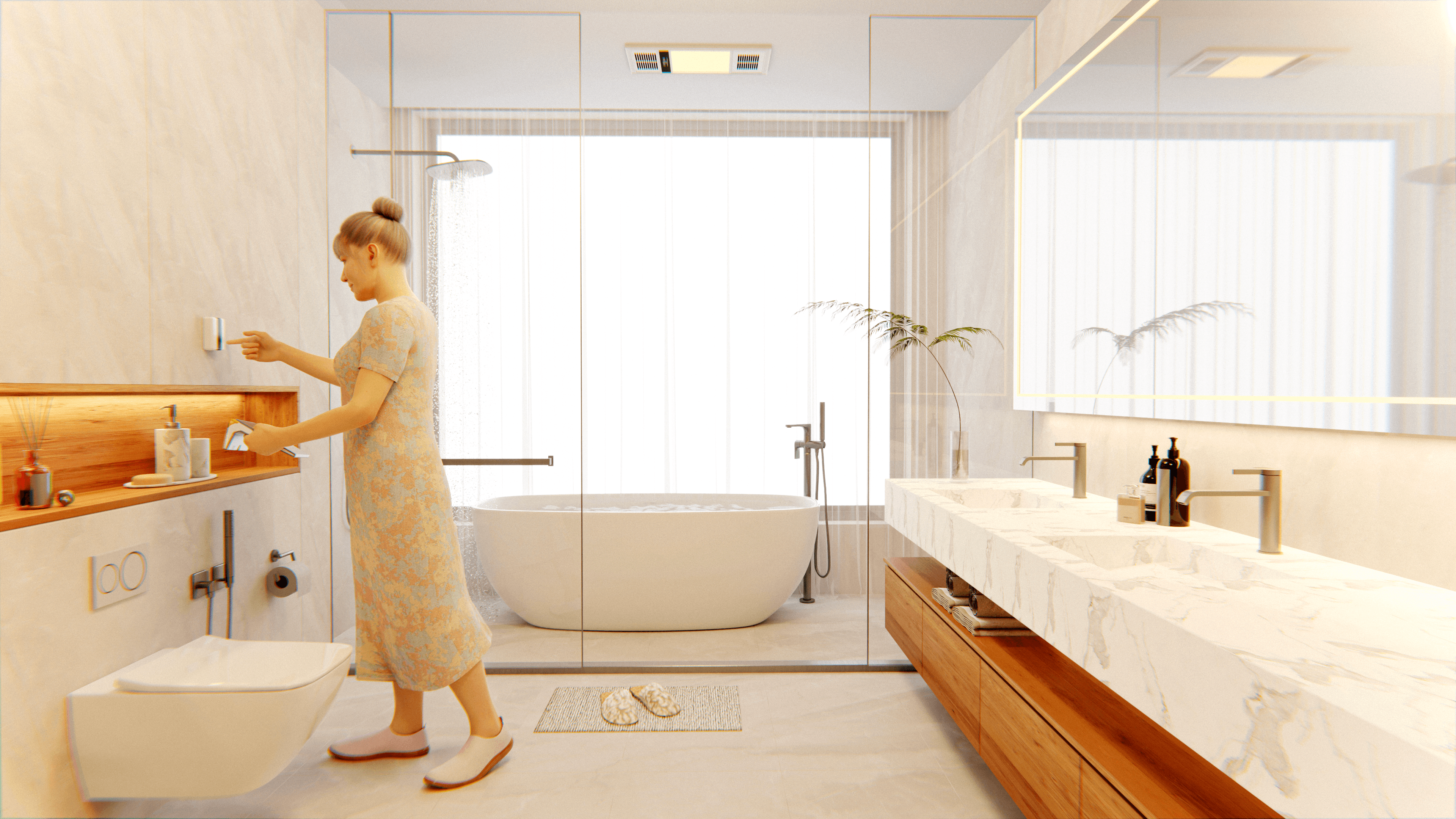
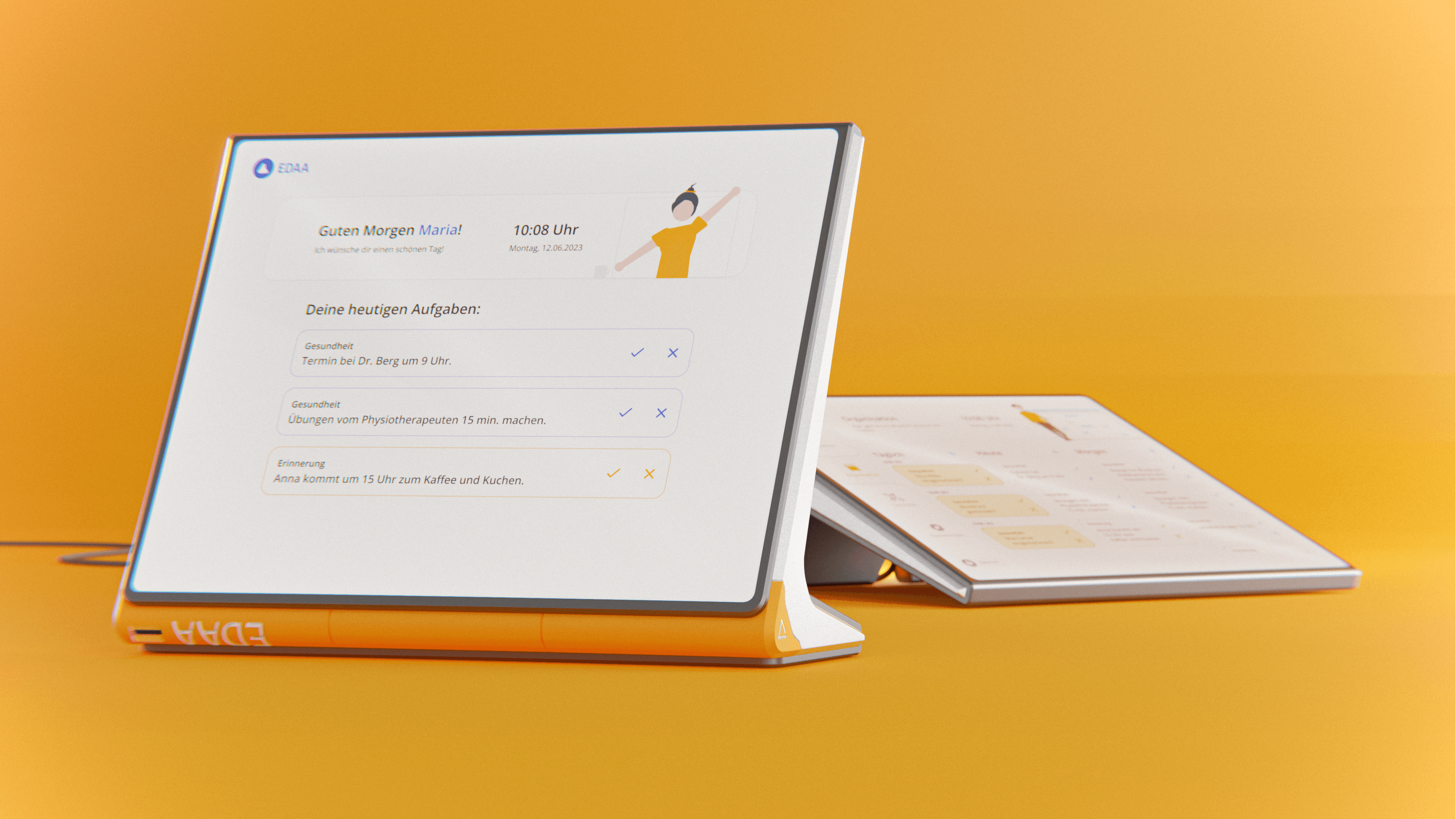
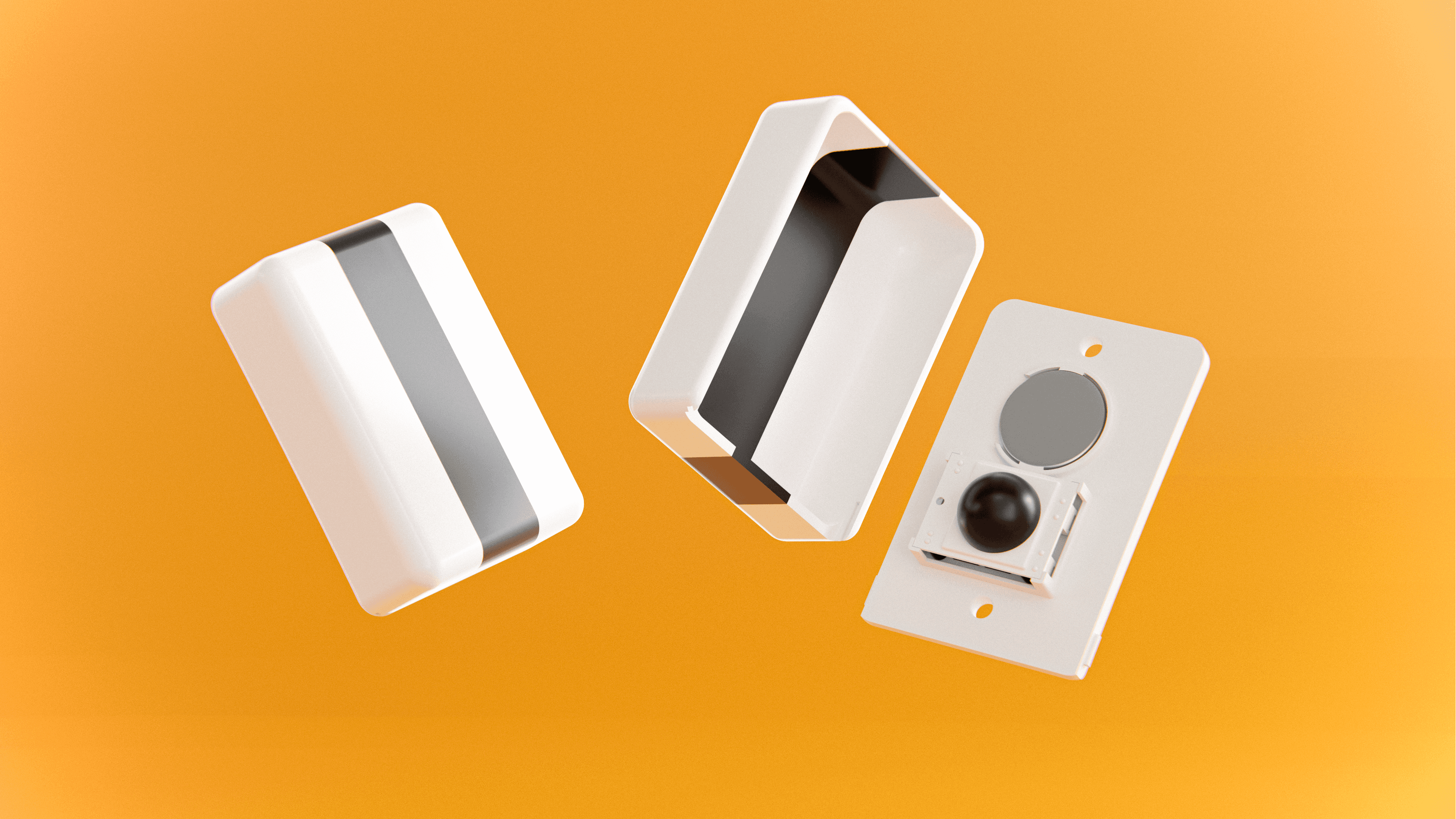
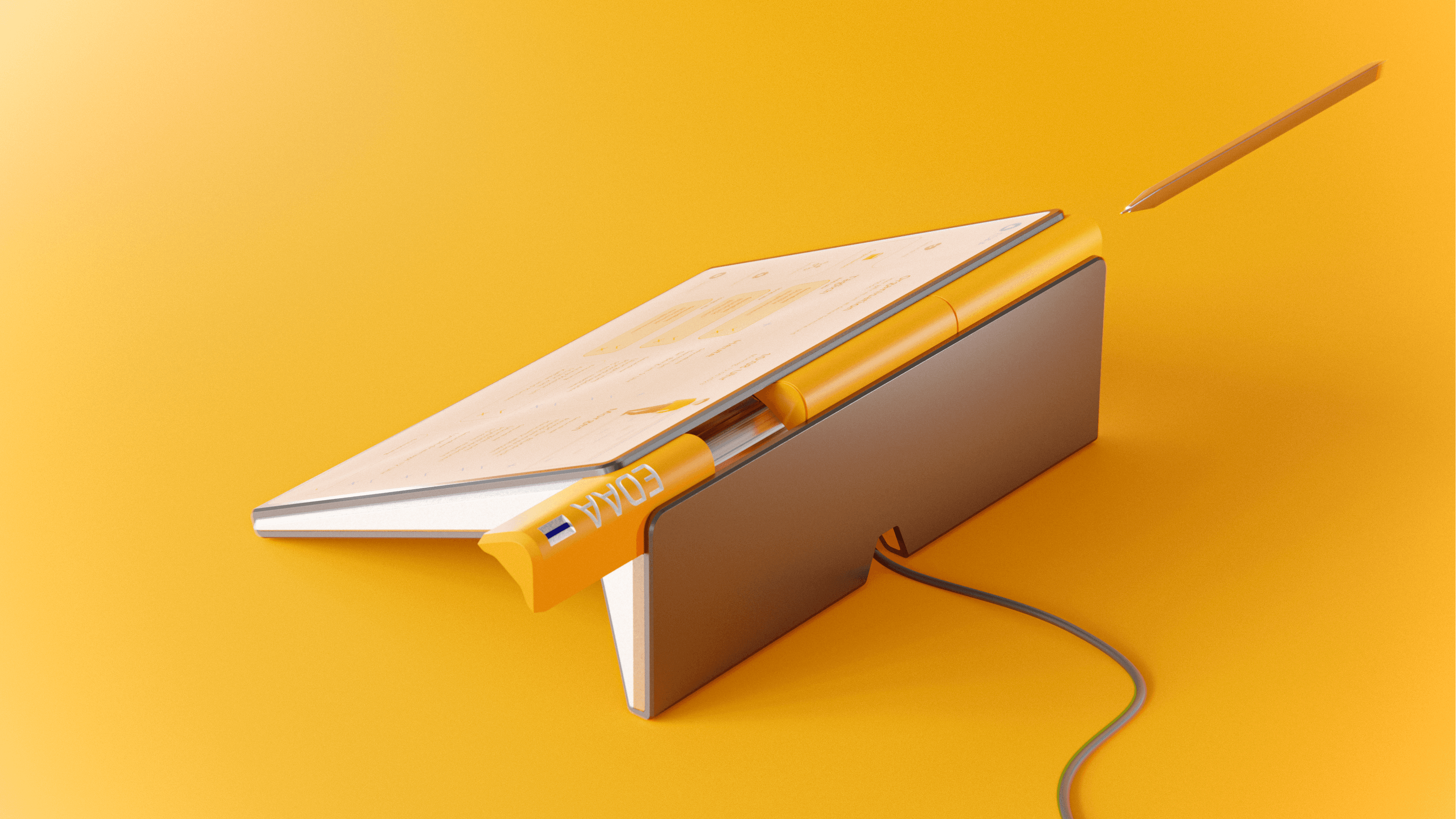
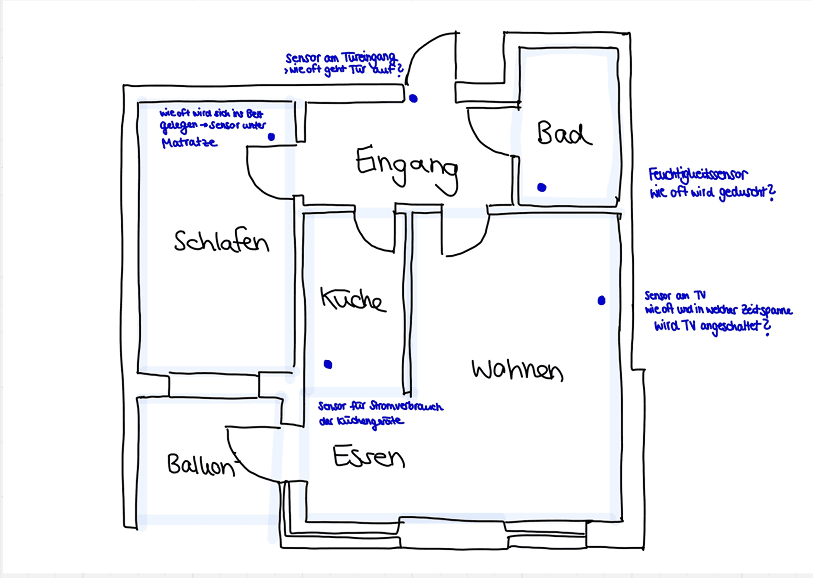
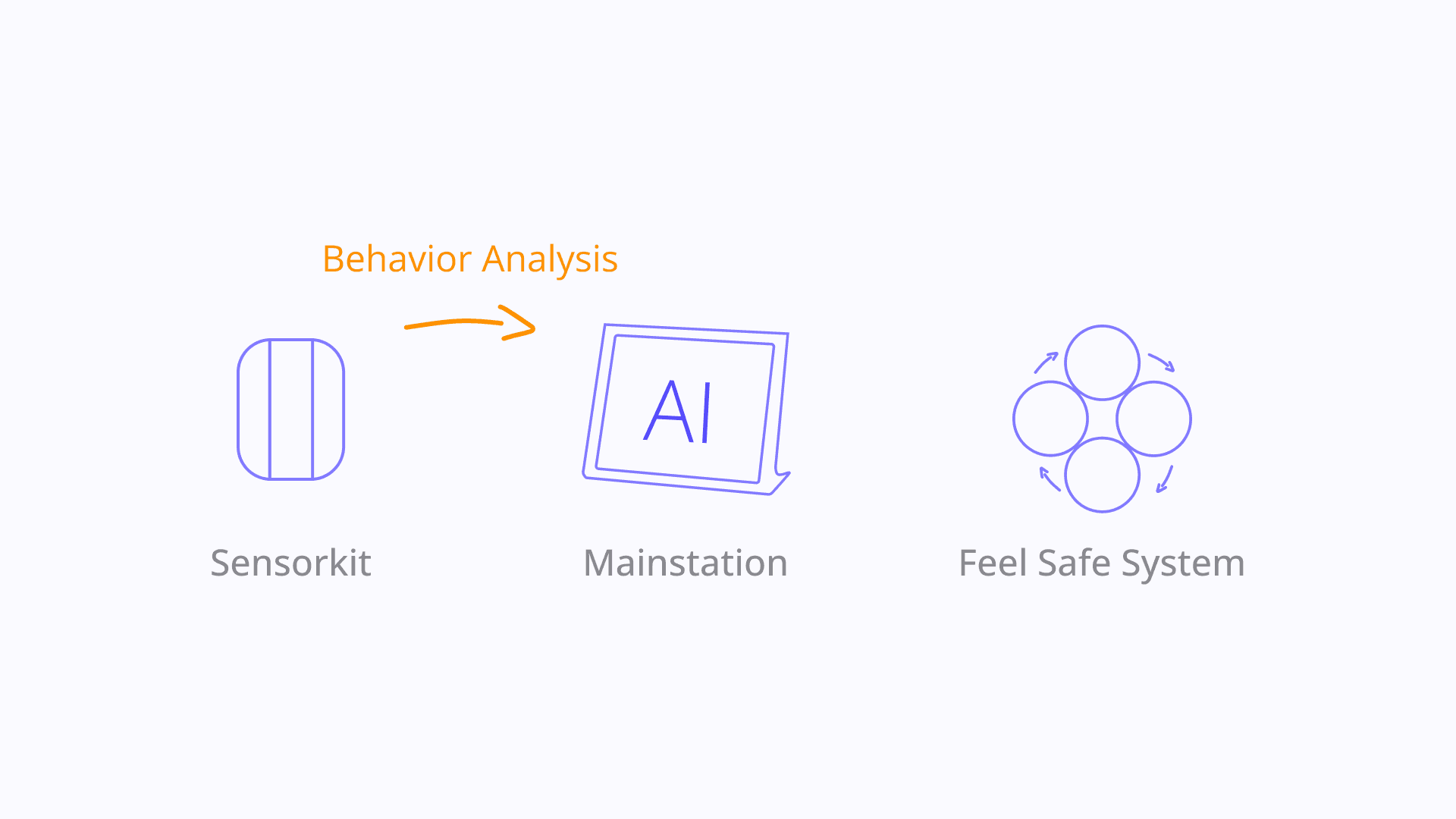
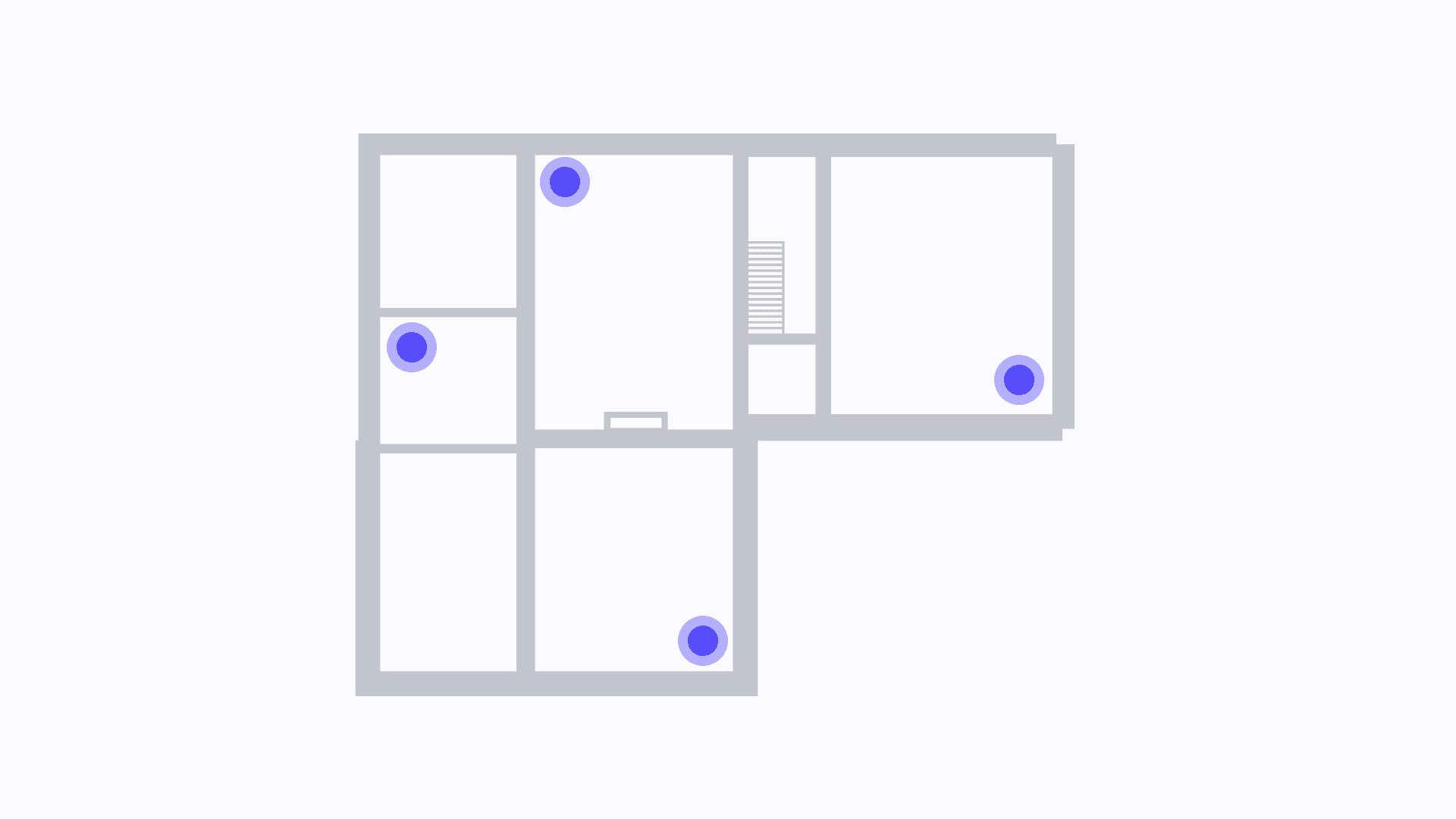

To detect early indicators of illness, EDAA continuously analyzes the user’s daily behavior. With the help of AI-driven behavior analysis, it monitors interactions with household devices, movement patterns within the home, and direct engagement with the system itself. This holistic understanding enables EDAA to identify subtle behavioral changes that may indicate cognitive decline.
Designing an intelligent health companion
The result is an empathetic and data-driven assistant that integrates seamlessly into everyday life. EDAA transforms complex behavioral data into meaningful insights, allowing users to better understand their health and act before symptoms progress.
Empowering independence through technology
By combining artificial intelligence with accessible interaction design, EDAA supports users in maintaining autonomy and confidence in their daily routines, extending independence while fostering trust and awareness.
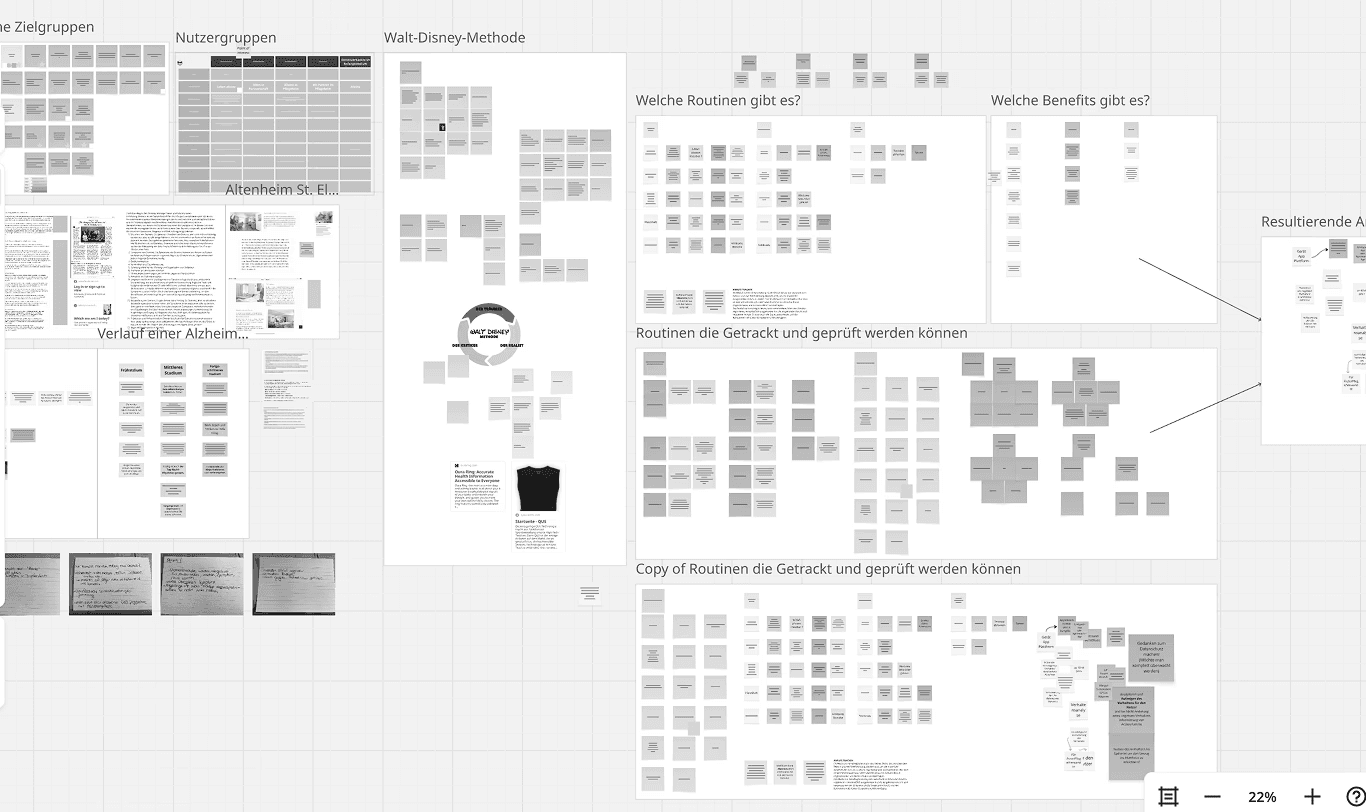
We started our collaboration in Miro, using it to organize ideas and structure the workflow. Concept sketches helped shape the core idea, while the interdisciplinary process combined product designers’ renderings with IoT’s screen design to create a solution.