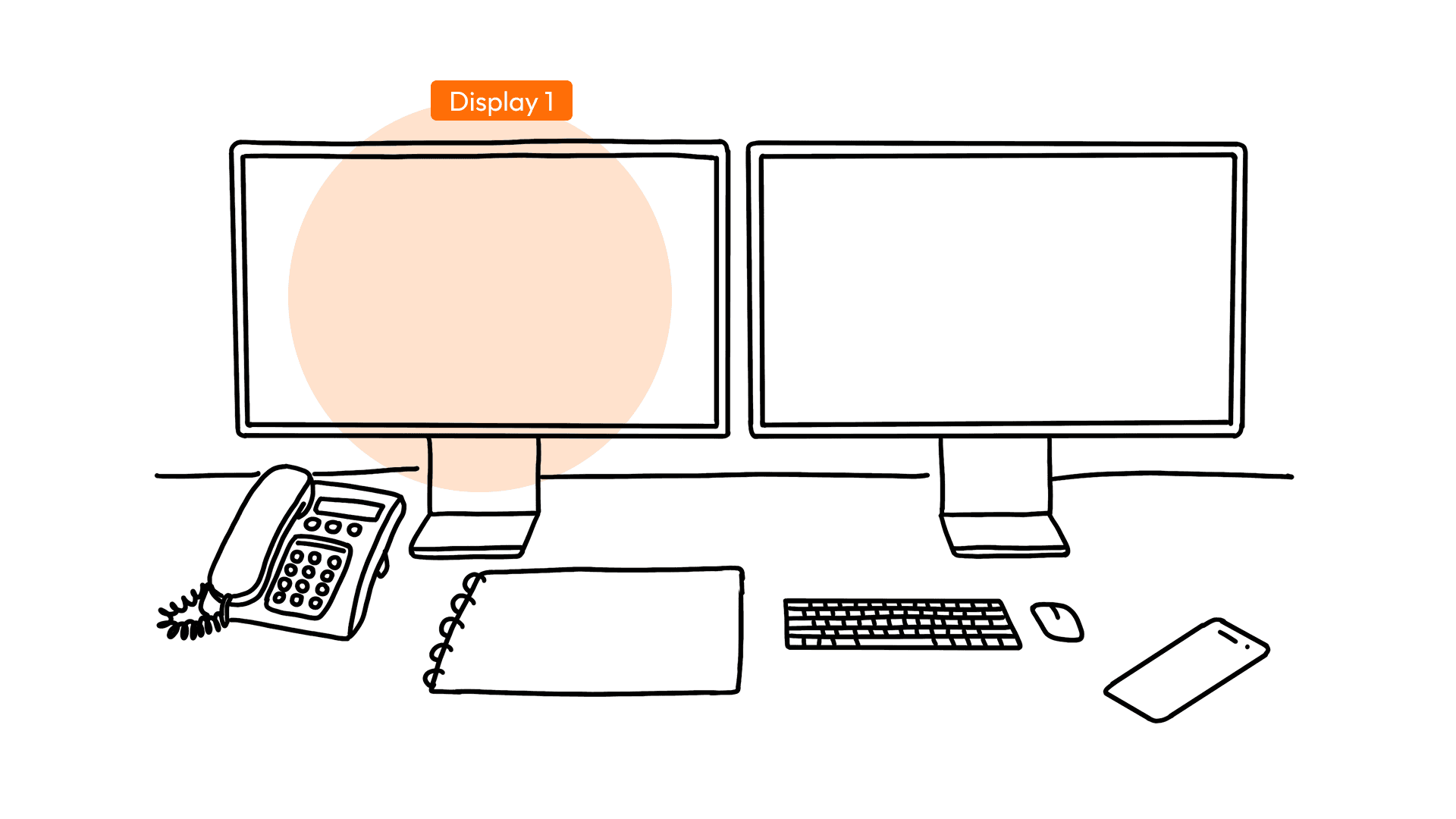

Truck dispatchers are responsible for coordinating drivers, vehicles, and cargo efficiently, they often work with outdated systems that lack real-time data. This leads to misunderstandings, inefficiencies, and unnecessary stress in everyday logistics.
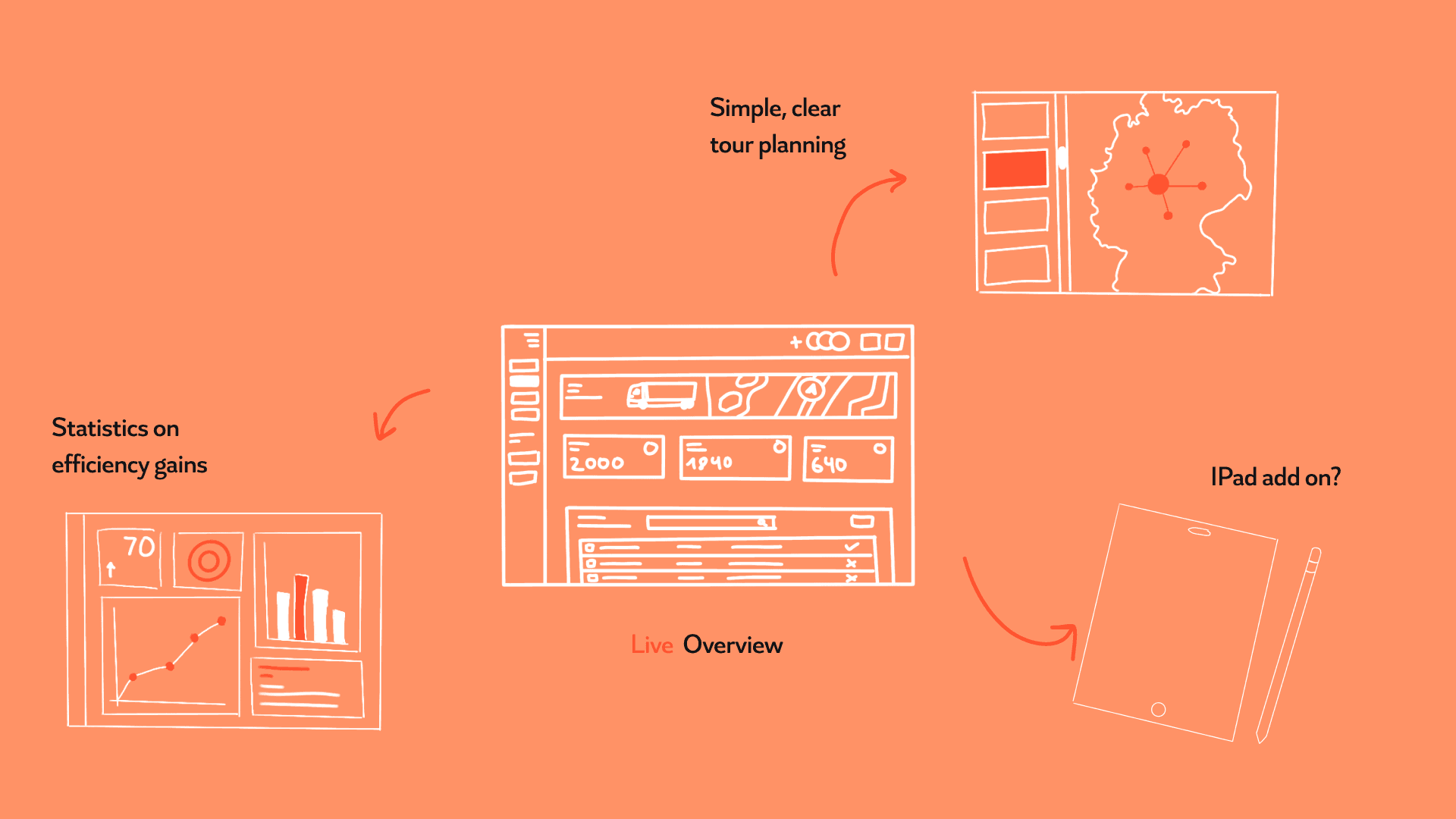
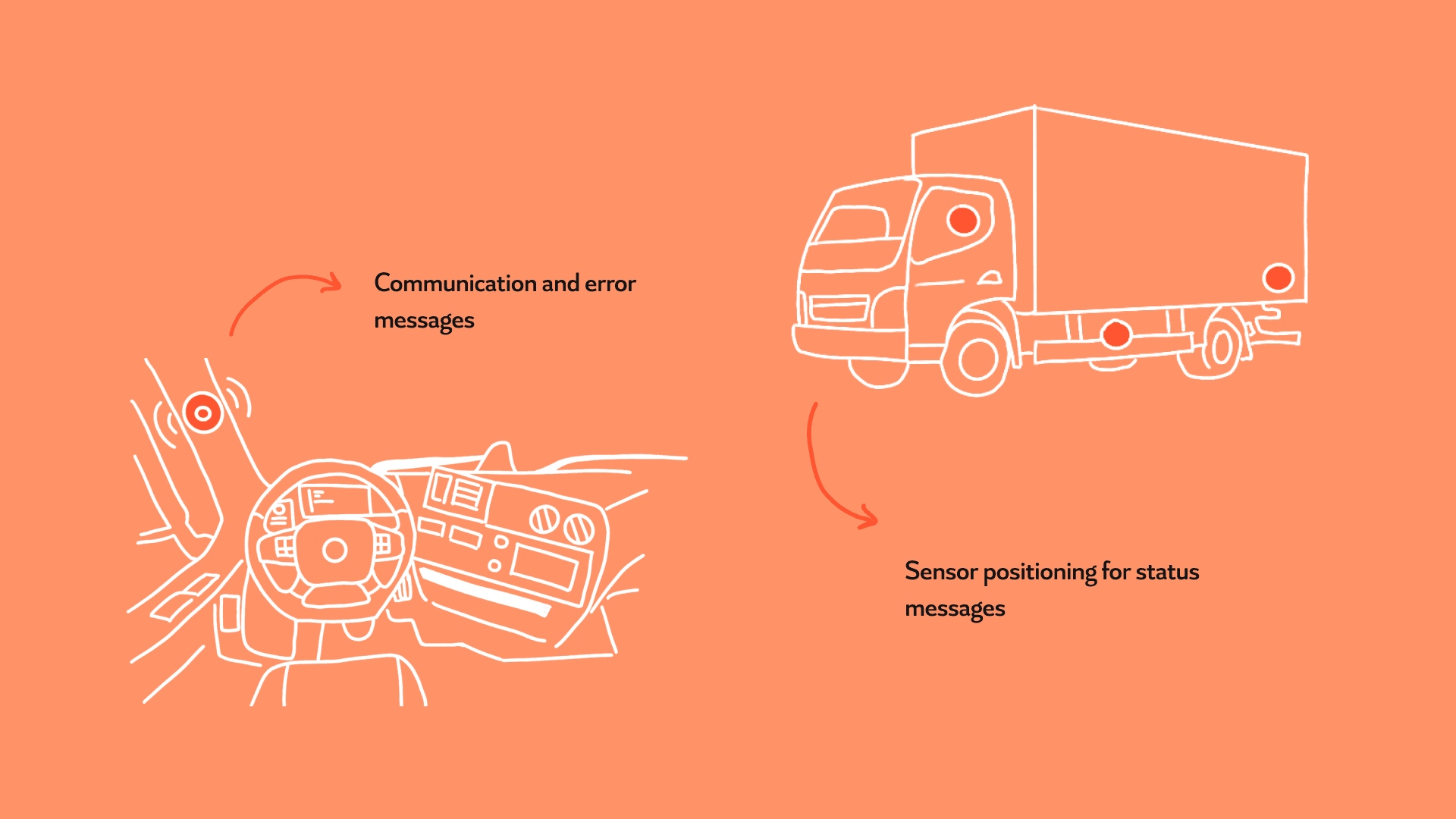
nimo addresses these challenges as an innovative power tool for smarter, more efficient truck dispatching. With AI-driven route planning, a real time dashboard, and an intelligent chat interface, it centralizes all essential information such as driver locations, stops, and loading lists. Real time tracking and automatic translations improve communication and responsiveness, significantly easing the workload for dispatchers and drivers.
Enabling seamless communication
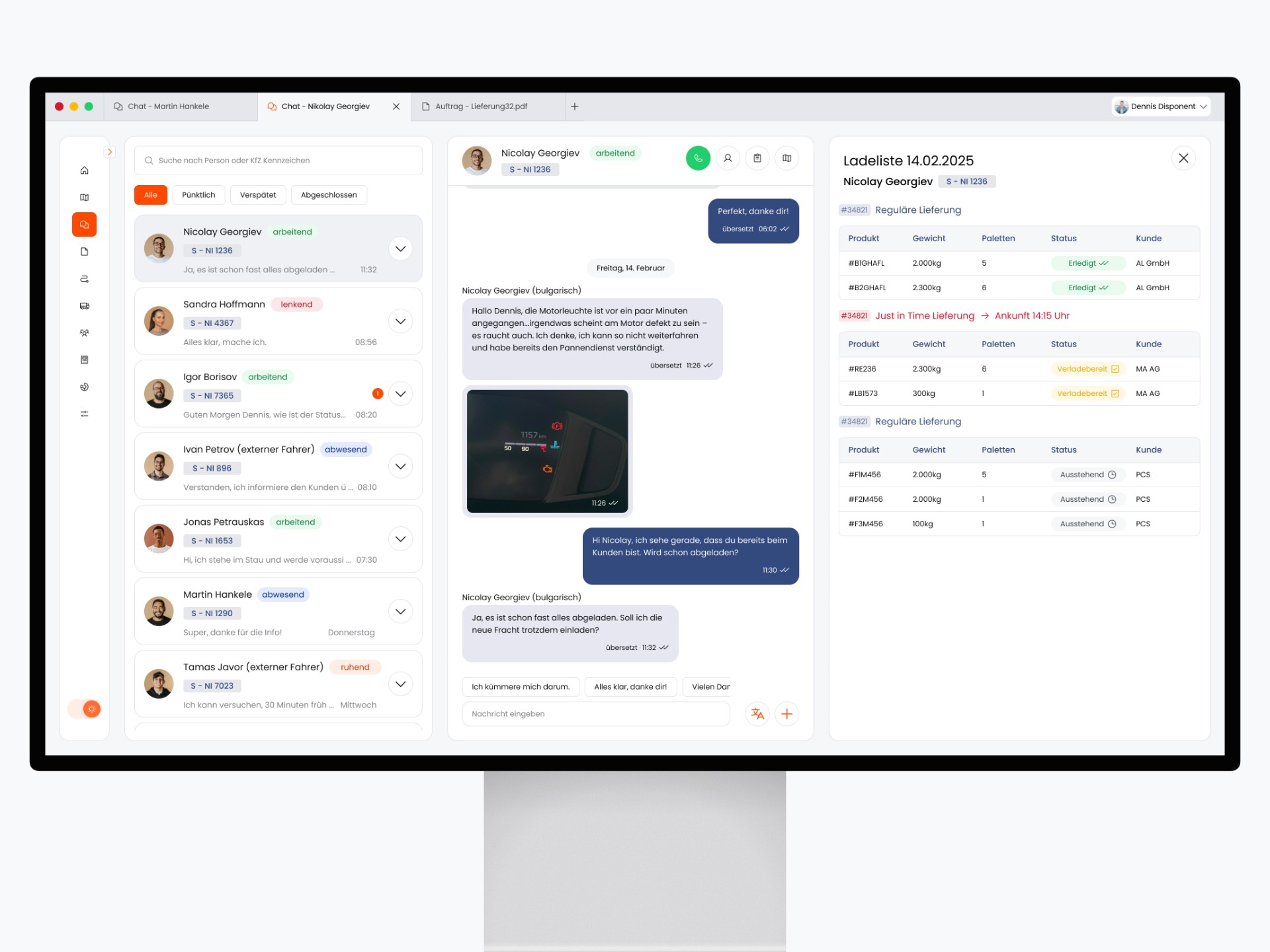
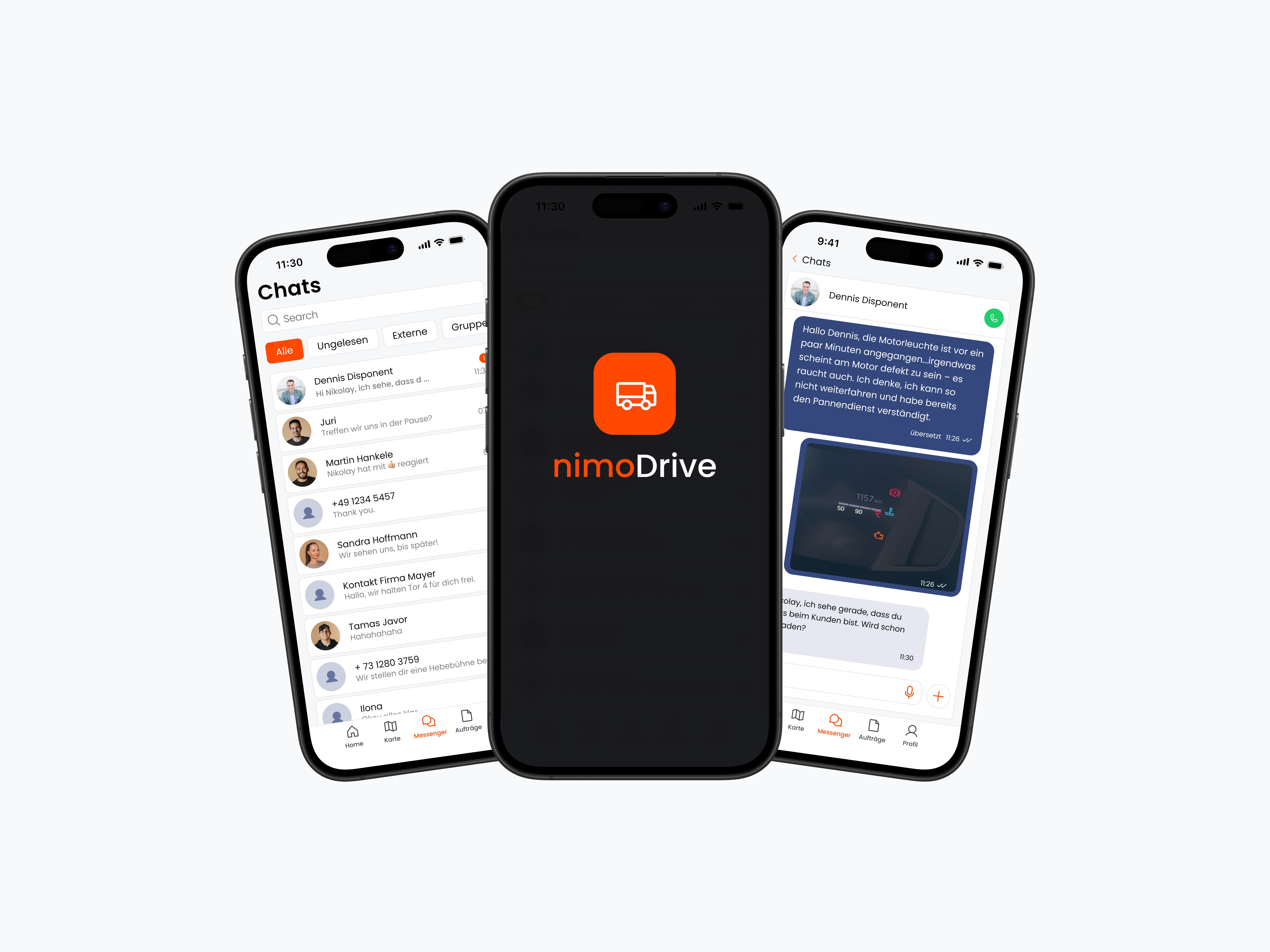
The integrated Messenger acts as a central hub between dispatchers and drivers. Built on familiar chat patterns but optimized for logistics, it consolidates driver data, routes, and delivery details in one place. Features like instant calls, live location tracking, and automatic translations ensure clear and efficient exchanges across languages and regions. Safety is enhanced through functions such as text locking while driving, making the messenger an essential tool for daily coordination.
Providing full visibility in real time
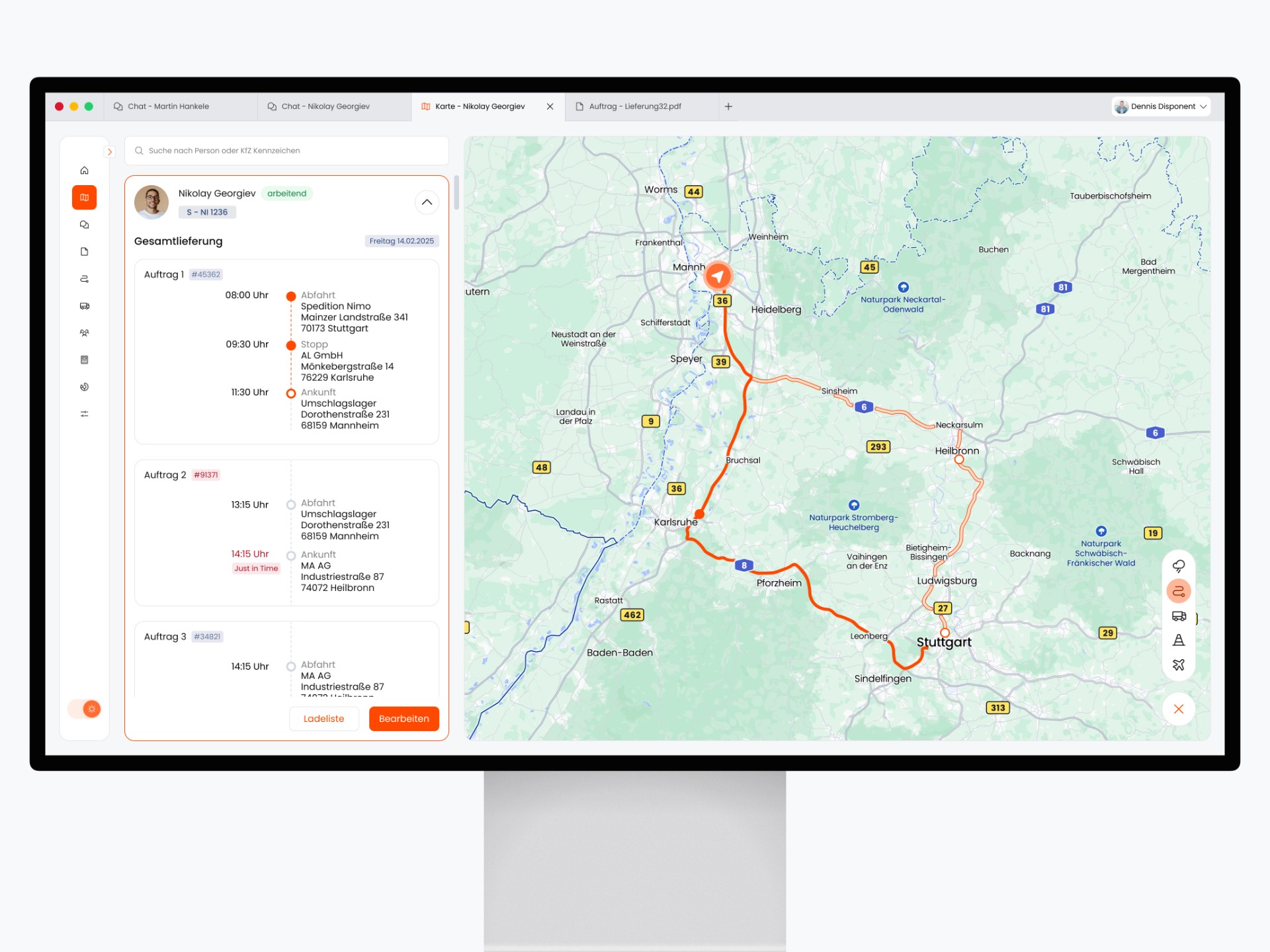
The Map View offers dispatchers a live overview of all ongoing operations, from driver positions and routes to traffic, weather, and delivery progress. Different modes allow quick adaptation to changing conditions, ensuring greater control, transparency, and operational efficiency.
Optimizing planning through intelligent tools
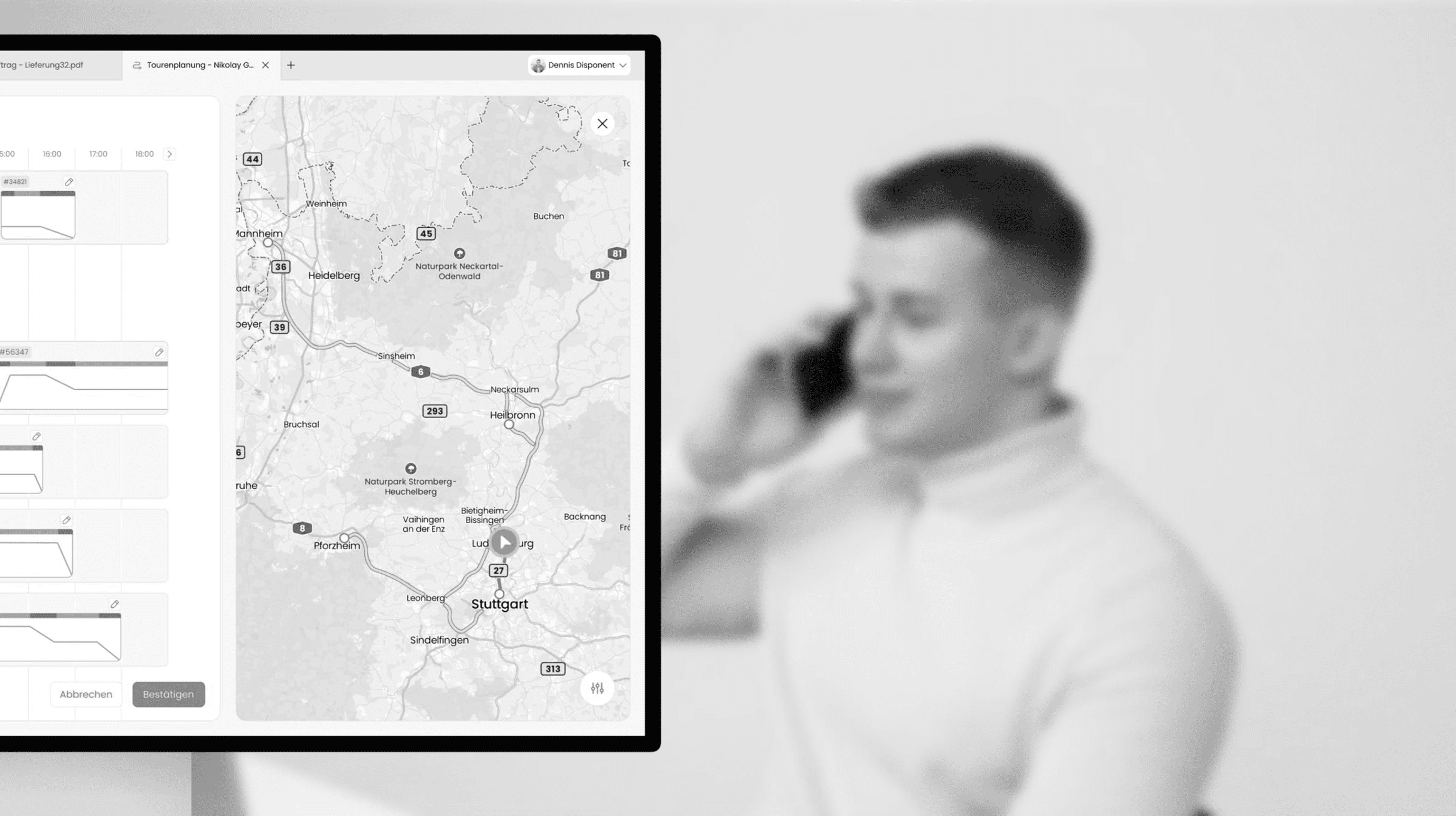
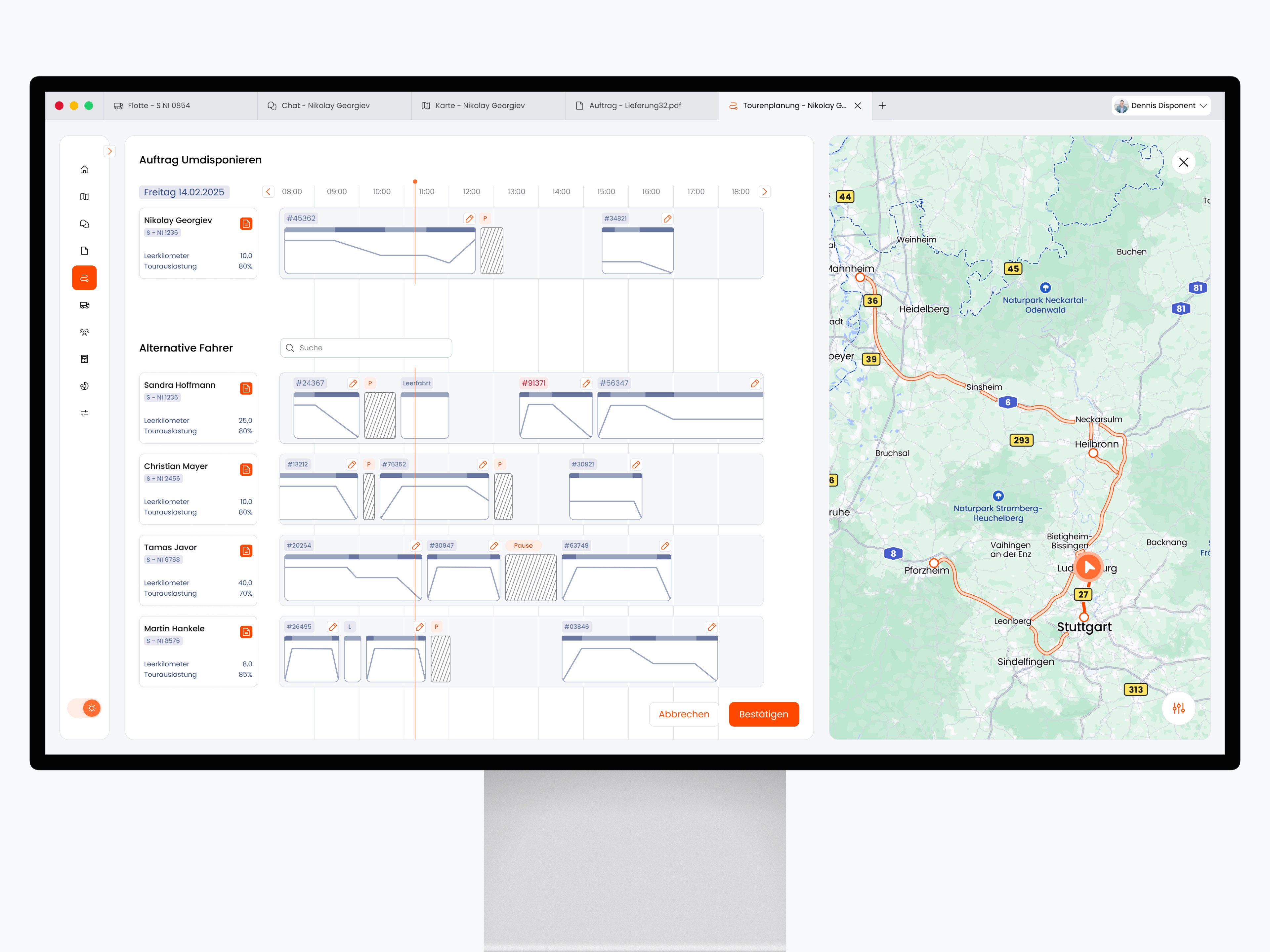
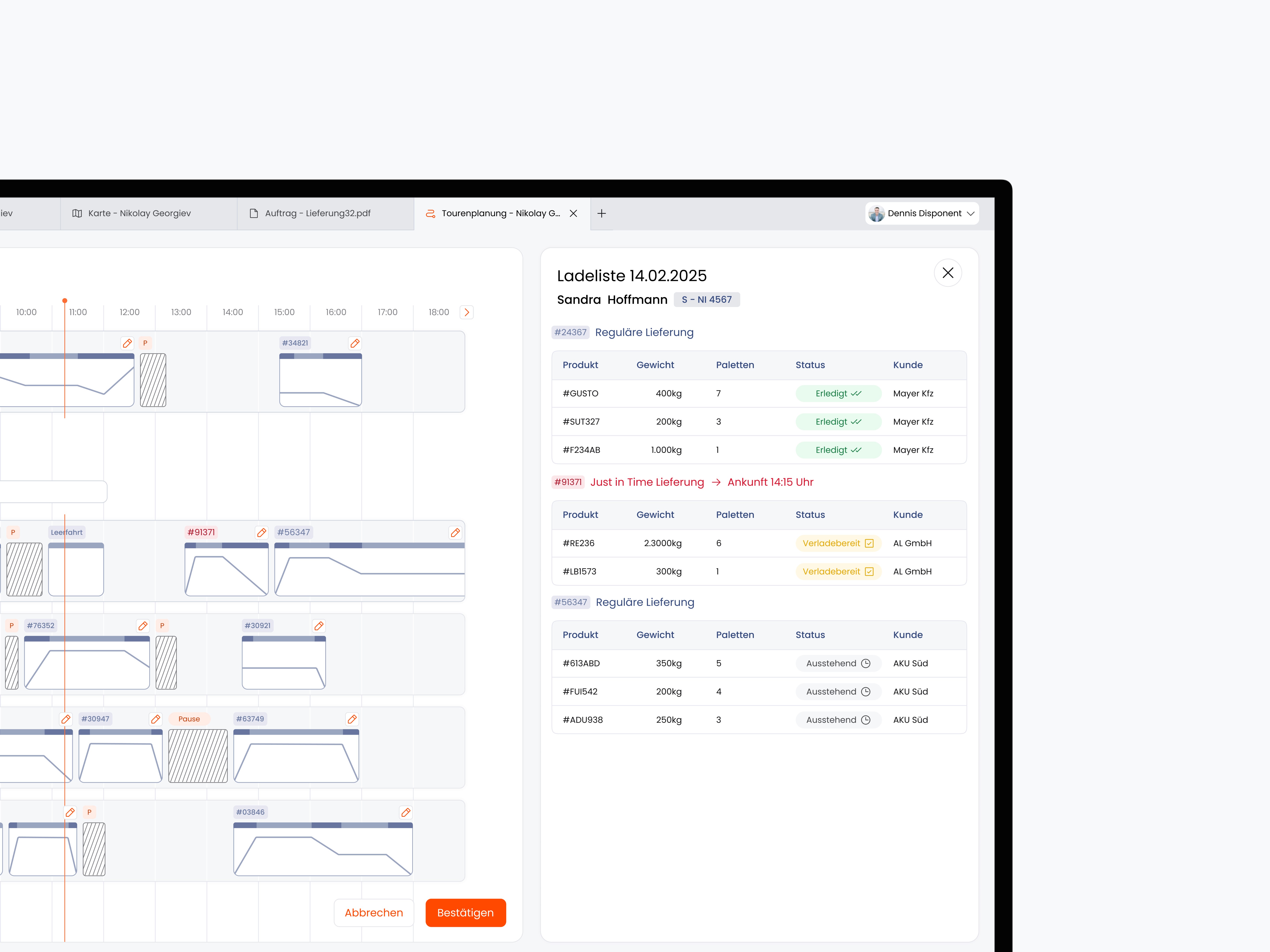
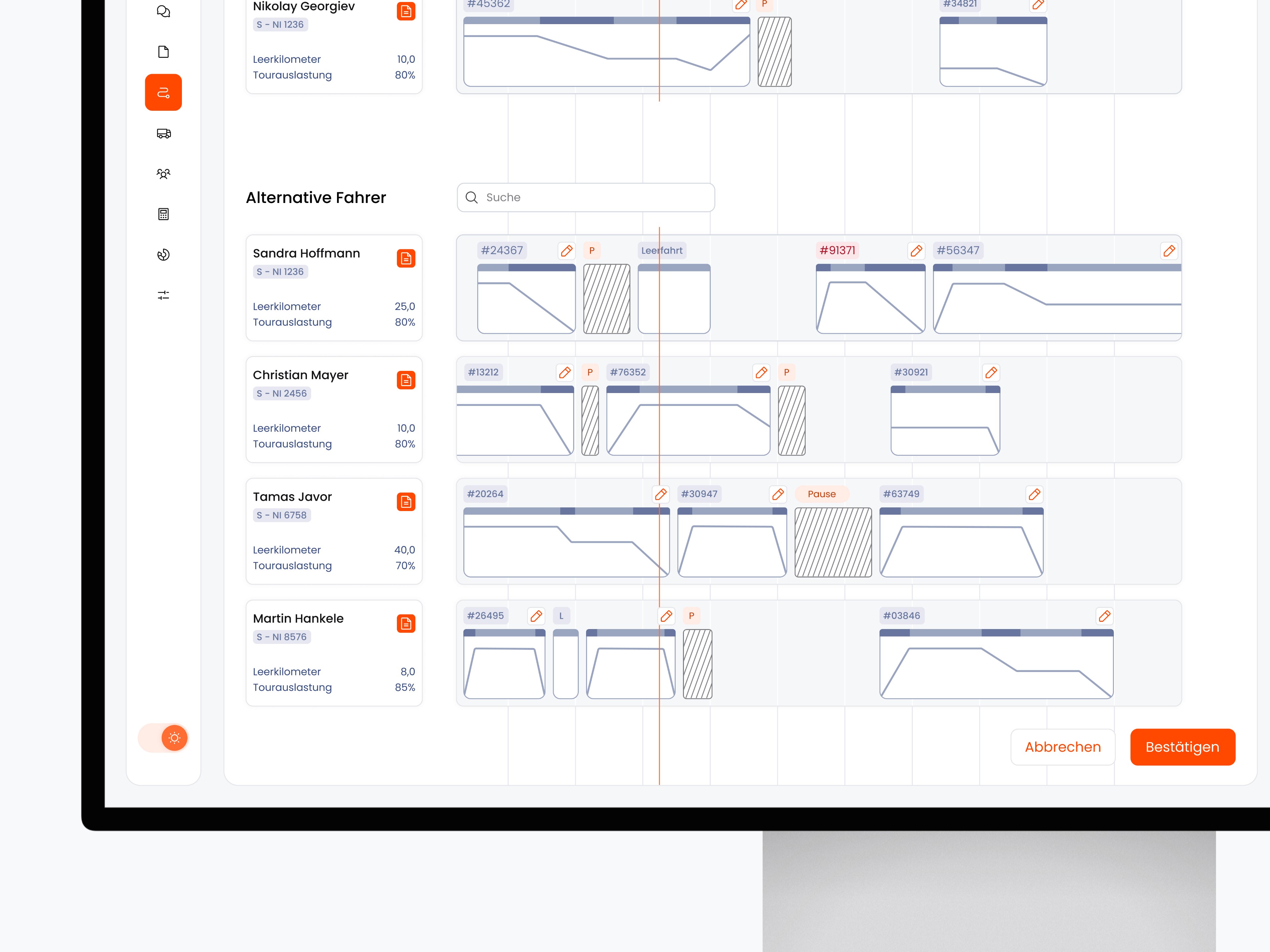
The Planning Interface enables flexible, data driven management of routes and deliveries. Dispatchers can easily adjust assignments, monitor workloads, and maintain compliance with legal driving breaks. Visual route tiles and automated highlights for time critical deliveries make planning faster, clearer, and more efficient.
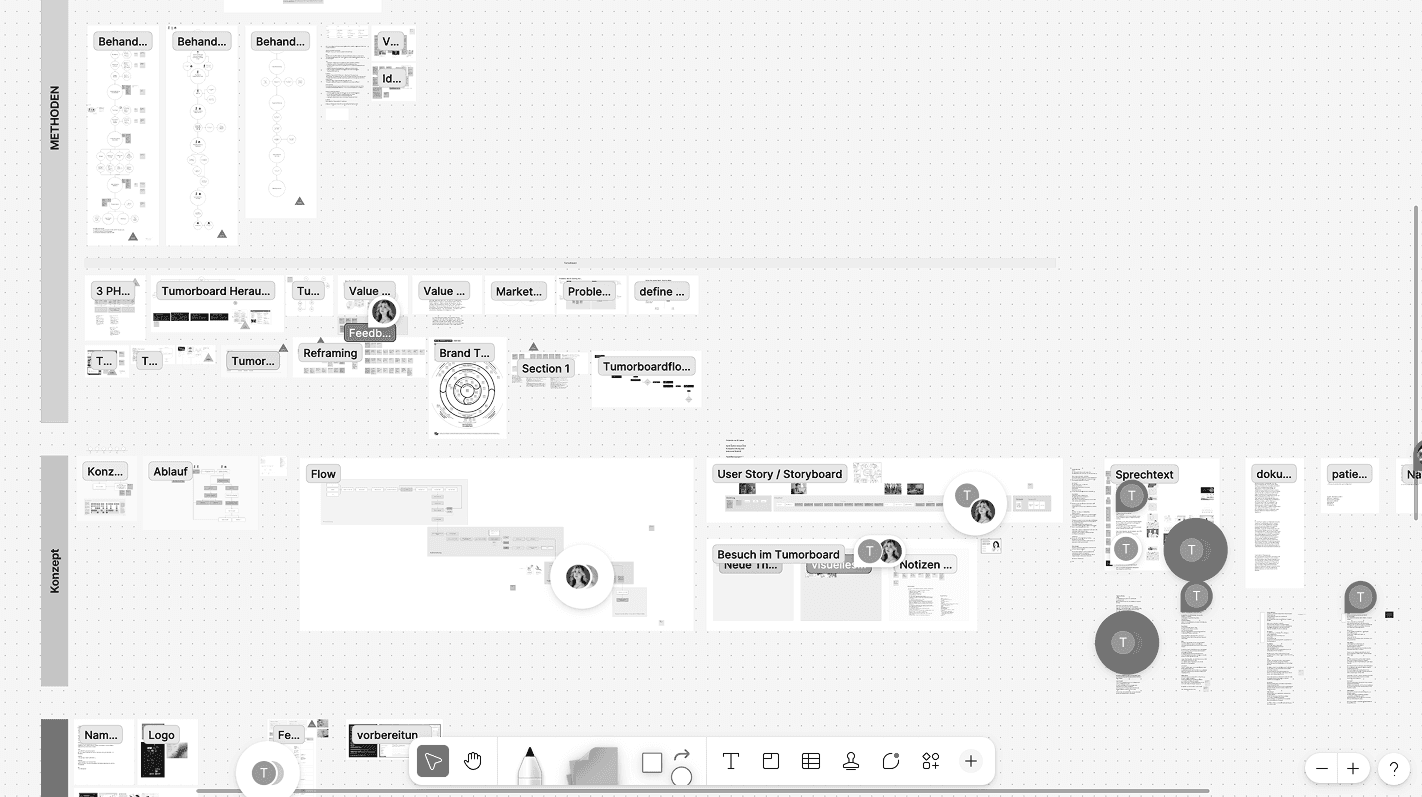
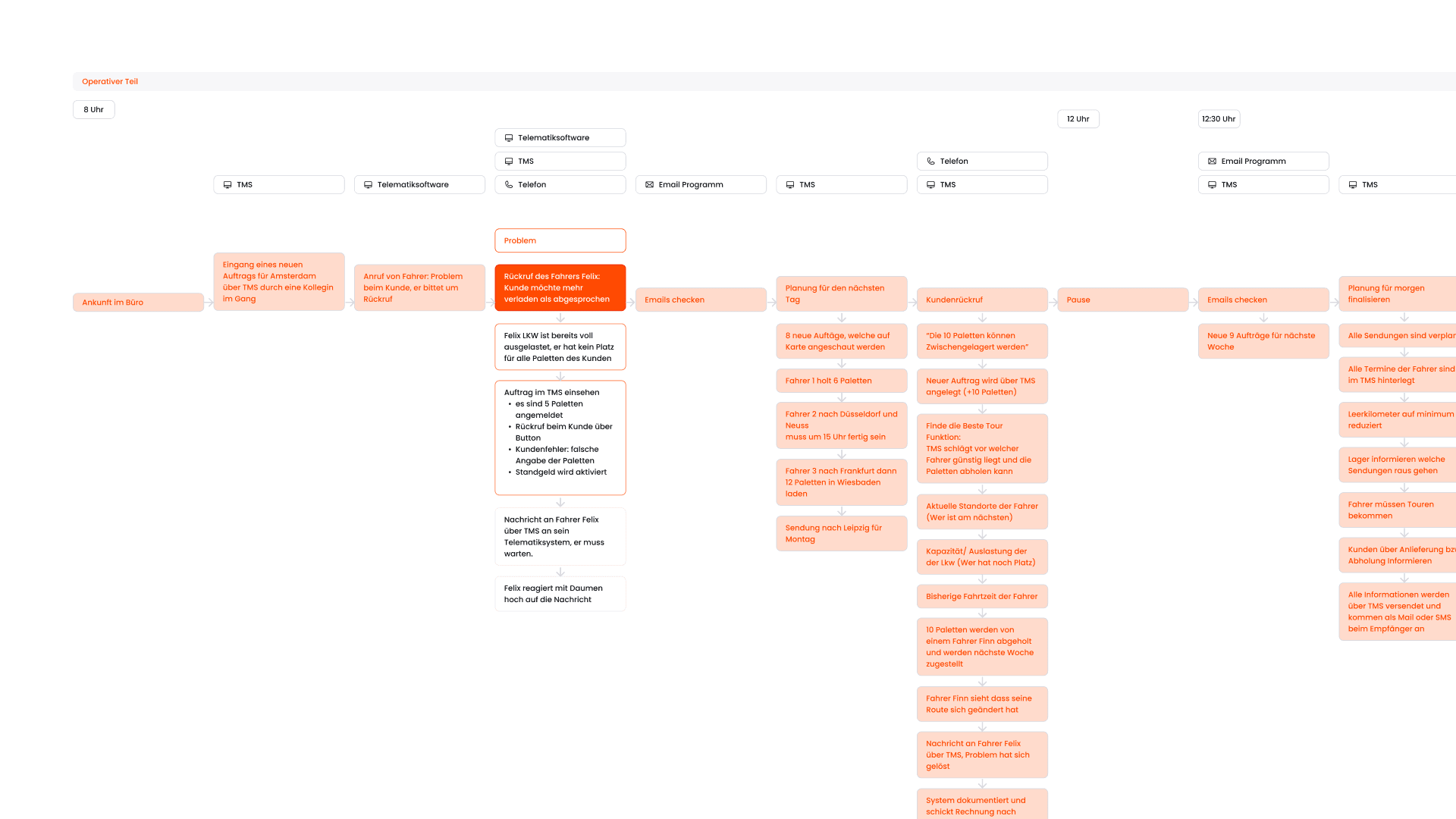
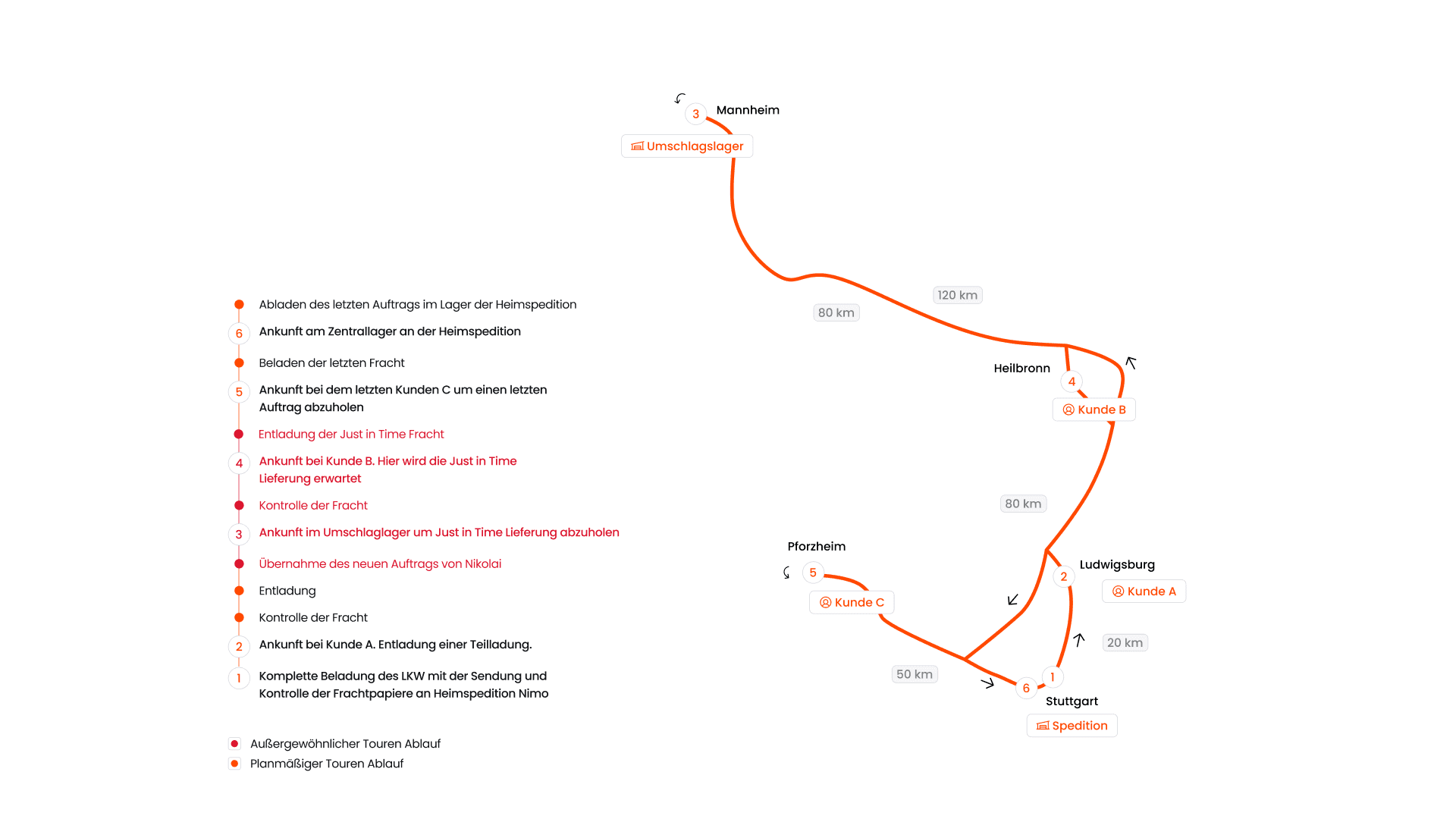
We used FigJam extensively to apply various design thinking methods and structure our ideas. Numerous sketches helped us shape and refine the core concept, while detailed process analyses and diagrams provided clarity on user flows and system logic.